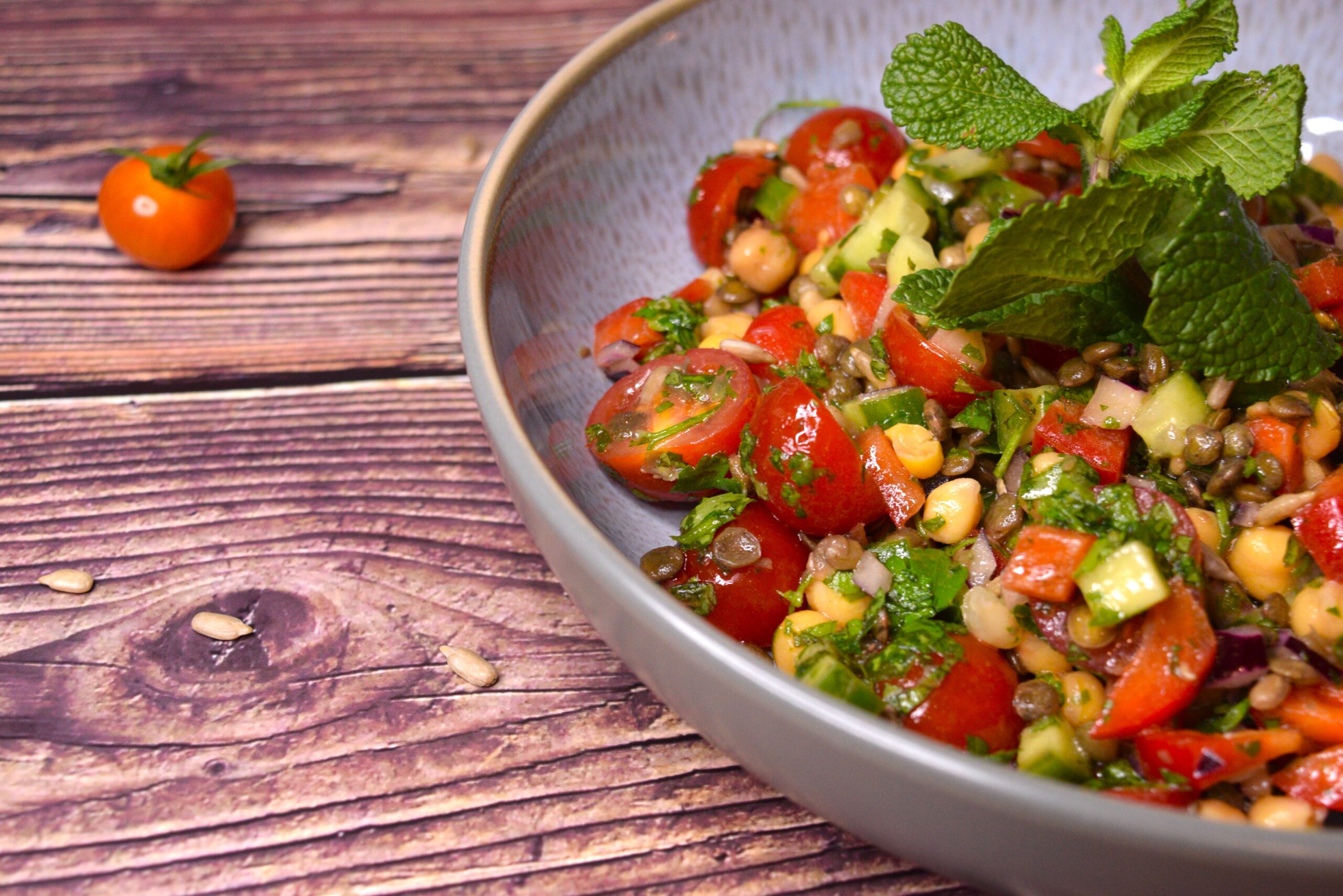
Eating healthy doesn’t have to be complicated or boring. In fact, it can be delicious, fun, and super satisfying! At Raspberry and Basil, we believe that a healthy, balanced diet can help you feel your best and enjoy life to the fullest. Whether you’re aiming to improve your overall health, boost energy, or simply feel more confident in your own skin, making nutritious choices is a great first step.
Let’s break down the essentials of healthy eating and give you practical tips to make balanced nutrition a part of your everyday routine.
What Does Healthy Nutrition Mean?
A healthy, balanced diet means providing your body with the right nutrients to function well—like the perfect fuel for a car. It’s not about deprivation or counting every calorie; it’s about nourishing your body with whole, nutritious foods that support your physical and mental well-being. A balanced diet includes a variety of food groups, providing vitamins, minerals, fiber, and other essential nutrients your body needs.
The Building Blocks of a Healthy Diet
To get the most out of your food, focus on these key elements:
1. Fruits and Vegetables: The Foundation of Your Plate
Fruits and veggies are packed with vitamins, minerals, antioxidants, and fiber. Aim to fill half your plate with colorful produce every time you eat. Think leafy greens, berries, carrots, peppers, and broccoli—each offers unique health benefits like improved digestion, heart health, and even better mood regulation.
Tip: Keep things fresh with seasonal produce, or use frozen veggies and fruits when fresh ones are out of season!
2. Whole Grains: A Healthy Source of Carbs
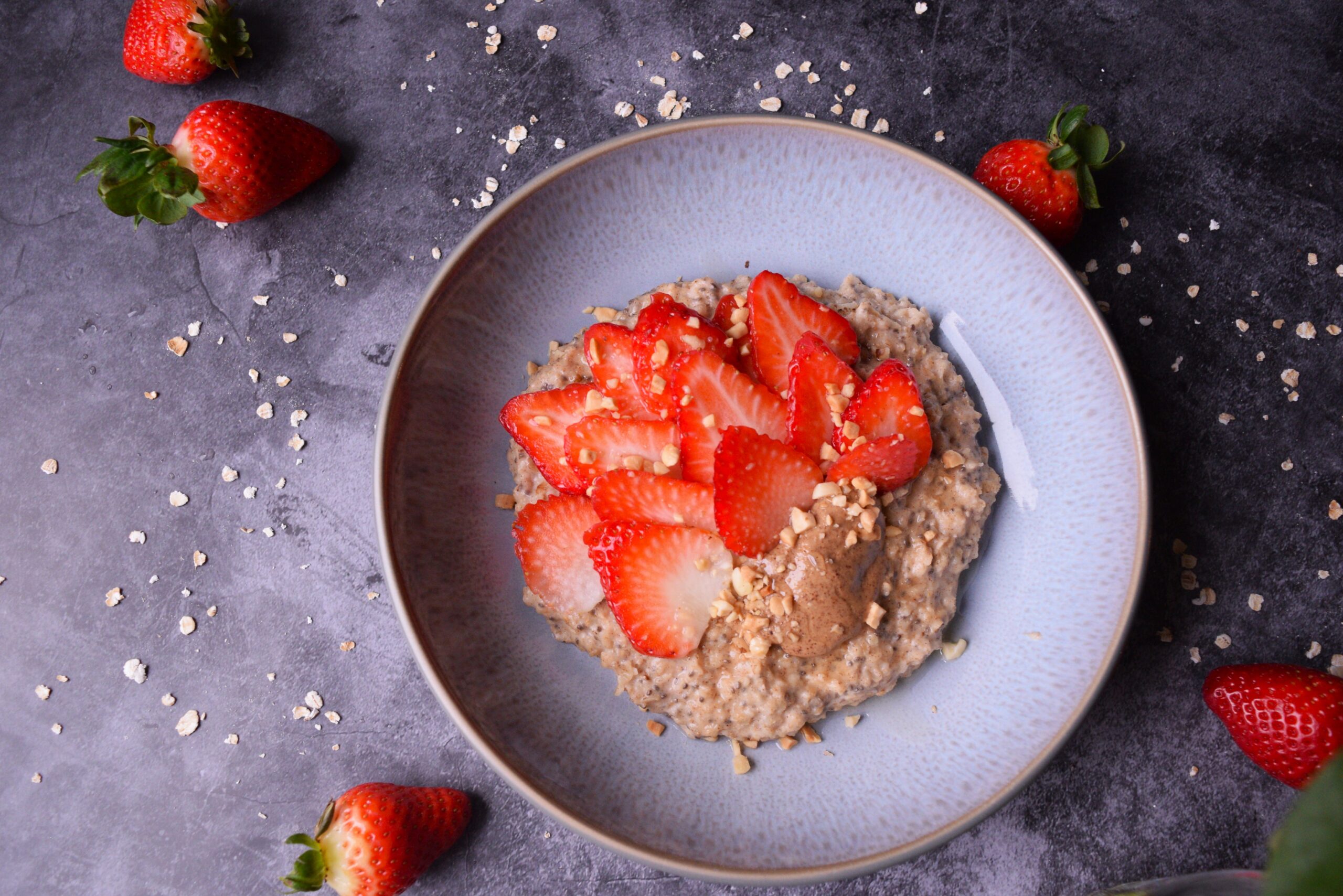
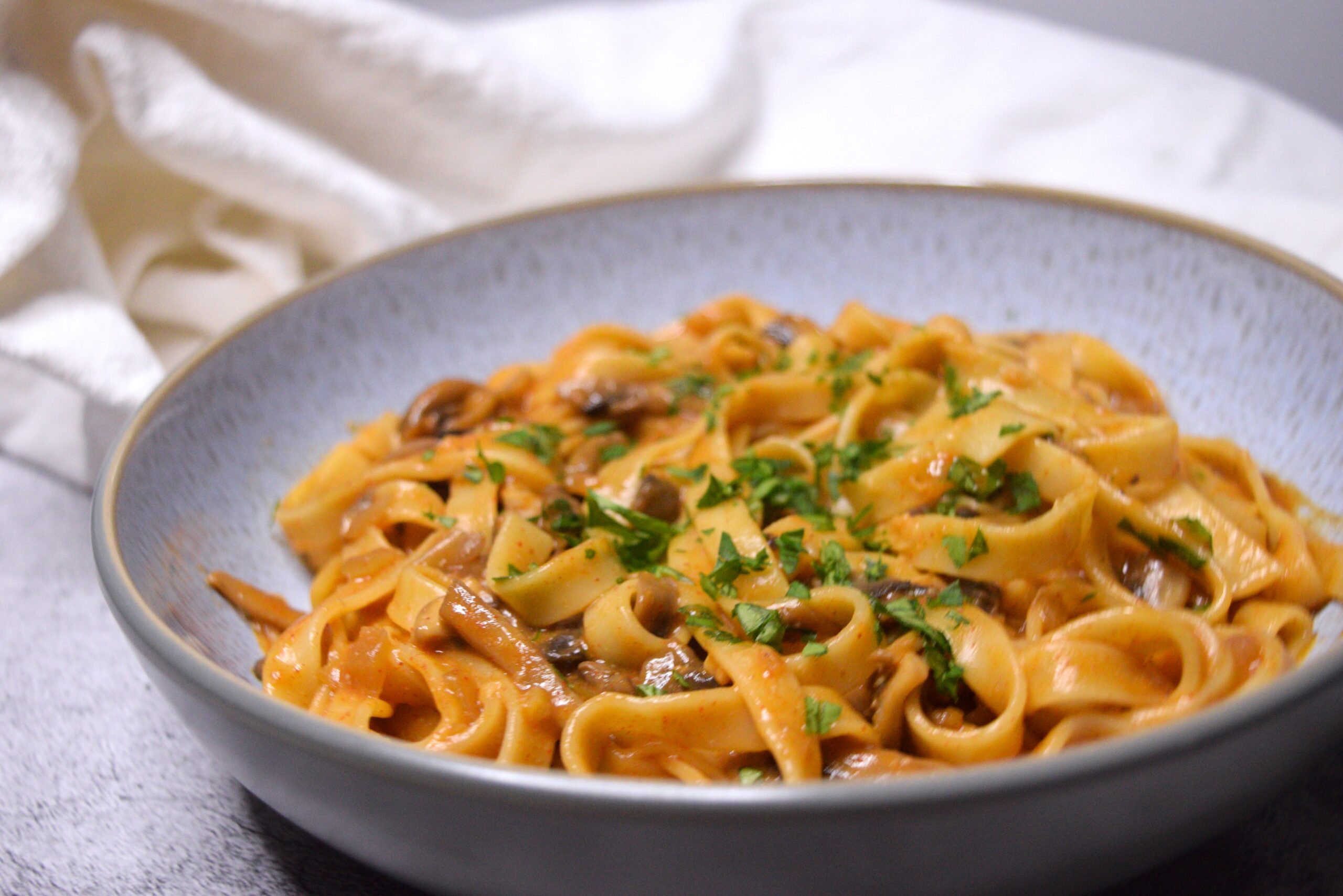
Whole grains like brown rice, quinoa, and whole wheat pasta are full of fiber, which helps keep you feeling fuller for longer and stabilizes your blood sugar. They’re a great source of energy and provide essential nutrients like iron, magnesium, and B vitamins.
Tip: Switch out refined grains (like white bread or pasta) for whole grains whenever possible. You’ll notice the difference in how full and energized you feel!
Protein is essential for muscle repair, maintaining healthy skin, and keeping your metabolism running smoothly. Include lean proteins like chicken, turkey, beans, lentils, tofu, and fish in your meals to keep you satisfied.
Tip: Protein doesn’t have to come from meat. Try plant-based options like lentils, chickpeas, or quinoa for a nutritious, protein-packed alternative!
4. Healthy Fats: Nourish Your Body and Mind
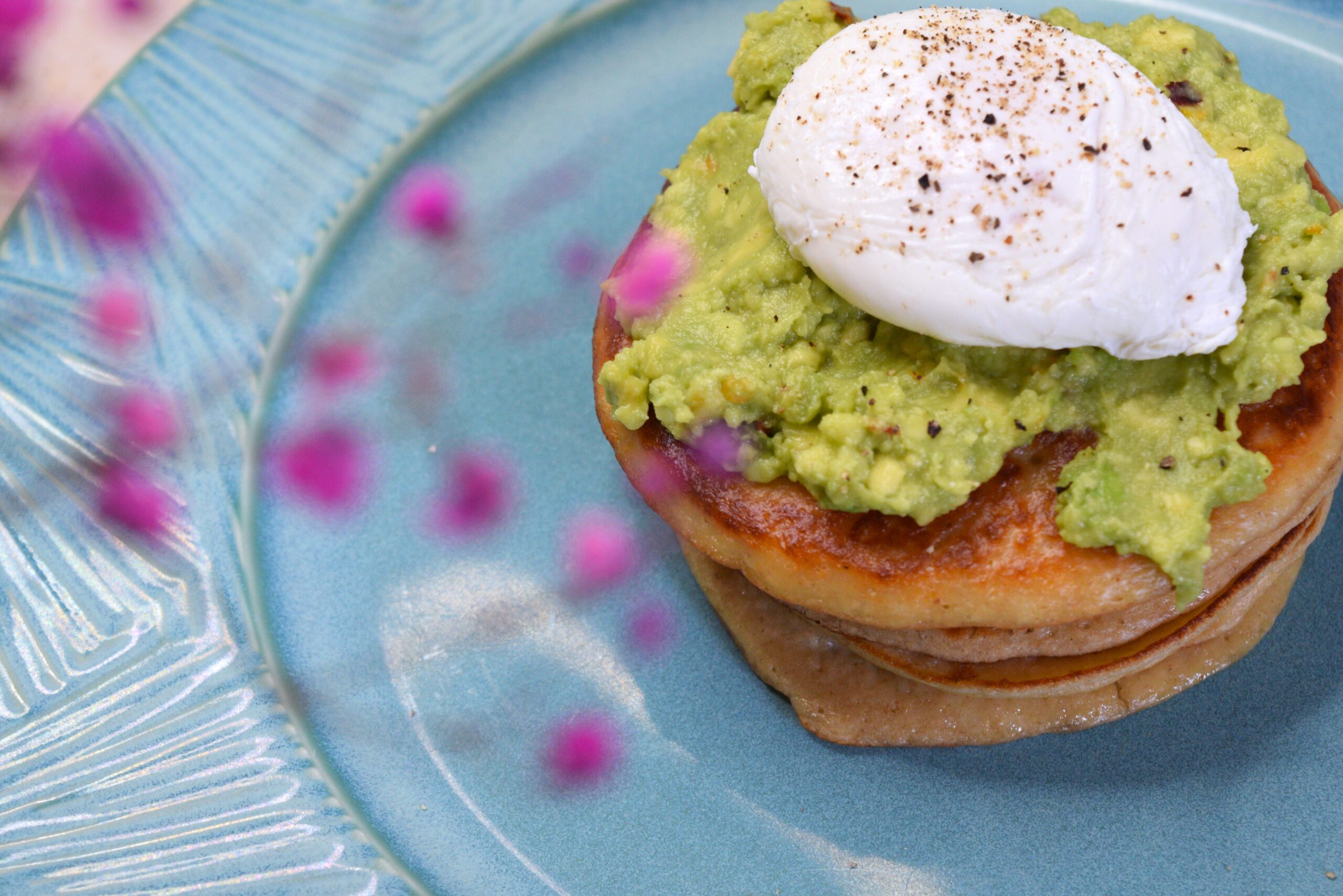
Fats are an important part of any healthy diet. Healthy fats like those found in avocados, nuts, seeds, and olive oil are vital for brain health, energy, and hormone balance.
Tip: Add a handful of almonds or a few slices of avocado to your salads or snacks for an extra nutrient boost!
Low-fat dairy products or fortified dairy alternatives like almond milk are great sources of calcium, vitamin D, and protein. These nutrients help support healthy bones and teeth, as well as overall muscle function.
Tip: If you’re lactose intolerant, try plant-based alternatives like almond, soy, or oat milk that are fortified with calcium and vitamin D.
How to Build a Balanced Plate
Now that you know what makes up a healthy diet, here’s a simple formula for building a balanced plate at every meal:
- Half the Plate: Fill it with vegetables and fruits. Make them colorful and varied to get a wide range of nutrients.
- One Quarter: Add whole grains like brown rice, quinoa, or whole wheat pasta.
- One Quarter: Add lean protein, whether from plants (beans, lentils) or animals (chicken, fish).
- Healthy Fats: Sprinkle in a small portion of healthy fats like olive oil, nuts, or avocado.
This simple approach keeps your meals balanced and satisfying without the stress of counting every calorie!
Benefits of Eating a Healthy, Balanced Diet
Eating a variety of nutrient-rich foods comes with a ton of benefits. Here’s how healthy eating can positively impact your life:
1. More Energy
When you eat nutrient-dense foods, your body has the energy it needs to power through your day. Whole grains, fruits, and vegetables keep your blood sugar stable, preventing those mid-afternoon energy slumps.
2. Better Mood and Mental Clarity
Healthy foods are linked to better brain function, mood regulation, and even improved mental clarity. Omega-3 fatty acids from fish, healthy fats from nuts, and antioxidants from fruits and vegetables help support brain health.
3. Weight Management
A balanced diet helps you feel full and satisfied, reducing the chances of overeating. By incorporating more whole foods and minimizing processed foods, you’ll find it easier to maintain a healthy weight.
4. Stronger Immune System
A healthy diet supports your immune system, making it easier for your body to fight off illnesses. Nutrient-packed foods like fruits, vegetables, and lean proteins help your body stay strong.
5. Reduced Risk of Chronic Diseases
Healthy eating can reduce your risk of conditions like heart disease, diabetes, and high blood pressure. By focusing on whole foods and reducing your intake of processed sugar and unhealthy fats, you’re taking proactive steps to protect your long-term health.
Easy Ways to Eat Healthier Every Day
Sticking to a healthy diet doesn’t have to be complicated. Here are a few actionable tips to make healthy eating part of your daily routine:
- Plan Ahead: Meal planning saves you time and ensures that you have healthy ingredients ready when you need them. Spend some time each week planning meals and prepping ingredients.
- Start Small: If eating healthier feels overwhelming, start by making one or two small changes at a time—like swapping out soda for water or adding an extra serving of veggies to your lunch.
- Stay Hydrated: Drink plenty of water throughout the day. Sometimes hunger is just thirst in disguise, and staying hydrated can help prevent overeating.
- Mindful Eating: Slow down and enjoy your food. Focus on the taste, textures, and how your body feels when you eat. This can help you feel more satisfied and avoid overeating.
FAQs About Healthy Nutrition and Wellbeing
1. What are the key benefits of eating a balanced diet?
A balanced diet helps improve energy levels, supports a healthy weight, boosts mood, and lowers the risk of chronic diseases. It also helps your body function at its best.
2. Can I lose weight by eating a balanced diet?
Yes! A balanced diet can support weight loss by keeping you full and satisfied, reducing cravings, and promoting fat loss. It’s important to eat nutrient-dense foods and focus on portion control.
3. What are the healthiest foods to eat every day?
Some of the healthiest foods to include daily are fruits, vegetables, whole grains, lean proteins, and healthy fats like those from avocado and nuts. These foods provide essential nutrients and keep you feeling energized.
4. How much protein do I need each day?
The average person needs about 0.8 grams of protein per kilogram of body weight. However, if you’re active or trying to build muscle, you may need more—up to 1.6-2.2 grams per kilogram.
5. What can I do to improve my digestion with food?
Fiber-rich foods like vegetables, fruits, whole grains, and legumes support digestive health. Drinking plenty of water and eating fermented foods like yogurt or kefir can also help with digestion.
Conclusion: Nourish Your Body and Soul
Healthy and balanced nutrition is all about fueling your body with the right foods. When you make small, consistent choices to eat a variety of whole foods, you’ll notice improvements in your energy, mood, and overall health. Keep it simple, make it enjoyable, and take the time to savor each meal. Your body will thank you!
Start by adding a few healthy foods to your plate today, and watch how it transforms the way you feel!
show less